Legacy matters

The main reason I identify as a financial concierge and not just an investment advisor is because I always want to cultivate a deeper relationship with you than just reporting performance numbers and updating a balance sheet. And to get to know you more intimately is also to share more of myself. I have shared with most of you, if not all, the impact of the life-changing stroke my mom suffered last year. That battle and suffering came to an end last week, and I know that she is in a better place.
I have been told that losing a parent really makes you more aware of your own mortality. That has been true for me, and along with it, I have felt compelled to not just encourage, but really urge all of you to take a deep dive on your Legacy Box. I have come to know firsthand over the last year-and-a-half how important that box is for the person that assumes responsibility for your life.
As an advisor, the Legacy Box has always been one of those things on the meeting checklist that doesn’t command as much conversation as it should. Clients generally nod, acknowledge that they need one, or dismiss the notion because they have “a will.” The will is just one piece of the estate plan, which is just one piece of the Legacy Box. The concept of the Legacy Box is so much larger. It is a comprehensive plan to the person that is going to have to clean up the loose ends of your life, whatever they may be. And typically that person is someone whom you love, so spending some time on your plan can really avoid some serious difficulty at a time when that person is already grieving.

This month I wanted to walk you through the Legacy Box Checklist. Not every item on the checklist applies to everybody, but these are all items to which you should give some consideration when designing your plan.
The Legacy Box
The phrase “Legacy Box” is simple, but it works for a number of reasons. Whether we like it or not, how well-prepared we are in our final months goes a long way toward influencing our legacies. It can certainly emphasize a positive legacy when the person dealing with your death understands that you put a great amount of time and detail in helping them through this trying time. And I like the word “box” because I think that it’s a good idea to have your important documents in a portable format.
The biggest thing to understand when it comes to the Legacy Box is that it is so much more than just a will or an estate plan. It certainly includes those things, but it also carries an itemized list of your possessions and a detailed map on how those things should be distributed. It removes the stress and worry from your executor because they don’t have to figure out “what you would’ve wanted.” They know, because you told them, and you left it in writing in your Legacy Box.
The Legacy Box exists in two places. There should be a physical box in your possession. It should be large enough to contain all of the necessary elements, but small enough that you can pick it up and carry it with you in the event of an emergency. Use a box with a combination lock rather than a key so nobody has to know where the key is. You should also store digital copies of all items in the box in a secure, cloud-based vault, such as the one in RightCapital.
Your Legacy Team should include your spouse, your descendants, your business partners, your trusted advisors, and anybody who is named for a function within your legal paperwork. Your inner circle should have instructions on how to access one or both versions of your box. This includes the location and combination for the physical box and the URL, username and password for the digital vault.
Checklist
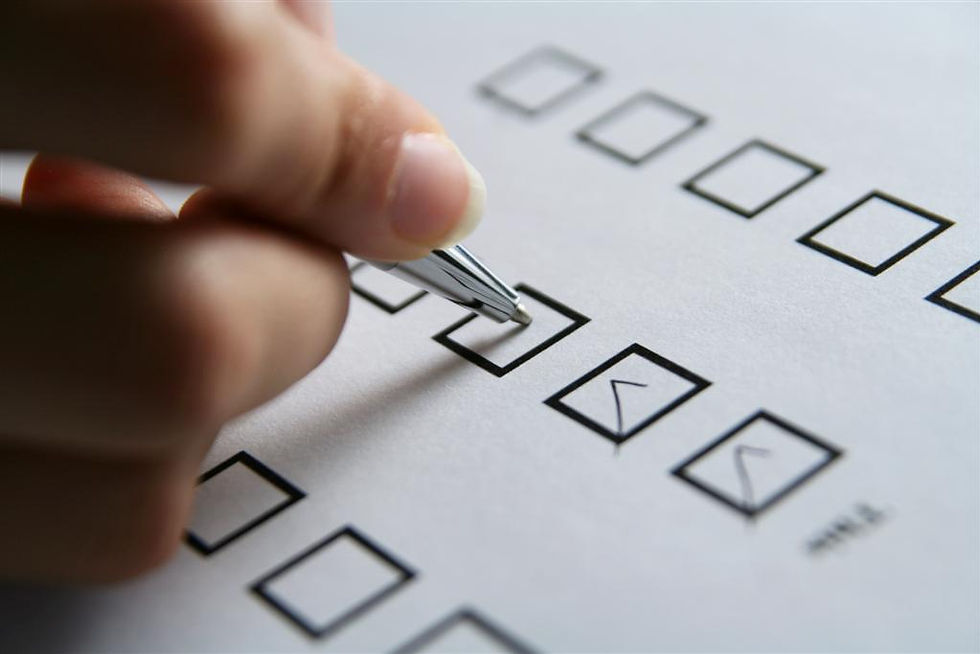
I have created a nine-part checklist for the Legacy Box, meant to be comprehensive to all people. Print out a copy of the checklist and highlight the pieces that apply to you, strike through the items that don’t, and then check off the ones you actually already have. The summary and explanation of the checklist items is below.
Personal documents
Family documents
Balance sheet
Real estate
Private business interests
Insurance
Digital & physical assets
Tax documents
Legal documents
Personal Documents & Family Documents
I believe this is the best place for your box to begin. You likely already have these things assembled somewhere. All legal adults should have a copy of their birth certificate. For most adults, this later evolves to things like a social security card, a marriage certificate, and a passport. Gather these items together, make digital scans for your vault, and put them into your box. Have your spouse do the same.
Family documents are the same as personal documents, but for your children, parents, and/or pets. Think like somebody who has to care for one or all of those three, but doesn’t know what to do. For younger children, you might have fingerprint records instead of a passport. You may have legal or vital documents for your parents. Perhaps your pet is chipped. Whatever applies, this is the place to store that information.
Balance Sheet
Whether you are married, widowed, have children, or just run solo, you are probably guilty of carrying too much of this information in your head. You need to compile a list. It can be as simple as a handwritten chart on a yellow pad or as techy as all-in-one software like RightCapital. But it should list all assets and liabilities. I find a password-protected spreadsheet to work best.
Begin with all bank and investment accounts. Include the institution, the titling of the account, the type of account, the routing number, the account number, the website, the username, and the password. Add any cash value insurance policies.
The title of the account is more important than you think. Titling plays a direct role in how assets are accessible during your lifetime and how they transfer afterward. Titling includes not only whose name is on the account, but if it carries any special designation, such as “Transfer on Death” or “401(k).” We can review titling down the line and make changes where necessary, but for now, just list them on your balance sheet. Include beneficiaries designations where they exist.

List any physical goods. Jewelry, guns, safe deposit boxes, stock certificates are examples. Include their location and instructions for retrieval, such as passwords, keys, PIN. List your vehicles here with the year, make, model, and VIN. Put the original titles in the box.
Next include any liabilities. Start with the mortgage. Move onto car loans. Then list credit cards. Just as above, include account numbers, websites, usernames, and passwords.
While not technically part of a Balance Sheet, you should leave some information on your income and expenses. You don’t need to put your budget here, although you can if you think it would help. But you do need to have a list of your income sources. If you have to go into memory care, those income sources are likely a large part of your funding. Be sure to note which sources end at your death and which survive you.
For expenses, you need a list of bills that need to be paid if you can’t do it. List all of your utilities. List all of your insurances (health, life, home, auto, disability, long term care). Don’t forget property taxes. Also include things like your Netflix subscription and your gym membership so that your survivors can cancel those.
Real estate & businesses
Next, list all of your real estate holdings and mineral rights. You may have none. You might only own your residence and still pay the mortgage. List it anyway. Include the address of each property, including city and state. Include any privately-held businesses, whether it’s employee shares acquired through your current job or an LLC that you own. If it has value, somebody in the future needs to know about it.
Insurance
Health, life, home, auto, disability, long-term care, umbrella liability, and any additional benefits or supplemental income are the types of policies you should include here. Include name of insured, policy number, and benefit.
Digital & physical assets
Digital assets are the passwords, device PINs, and recovery codes needed to access your online profile(s). While this can include cryptocurrency, it is certainly not limited to it. Everybody has digital assets and needs to prepare a way to share that information securely and when necessary.
The Legacy Box typically contains paperwork and information, but isn’t for the storage of actual goods of value, such as firearms or jewelry. However, this is the place to inventory those items, along with their estimated value, their location, and the keys or passwords needed to access them.
Tax Documents
While your personal tax archives are a separate matter and should go much further back in time, your Legacy Box should have the last two or three tax returns you have filed. This can help your executor uncover income streams or identify other gaps, determine taxability, and assist in the filing of your final tax return.
Legal Documents
All of the steps above were to give somebody practical access to your assets. These steps are to give them legal access. You need to determine which of the below items your plan actually needs, but other than a trust or guardianship, I would recommend preparing all of the following:

Financial power of attorney
Medical power of attorney
HIPAA authorization
Directive to physician
Do not resuscitate
Guardianship
Trust(s)
Last Will & Testament
Every living person over the age of 18 should have at least a basic will. Many people wait until the decision of guardianship of their children forces their hand, but part of adulting is assembling your own Legacy Box, and that begins at legal adulthood. For most young people, documents expressed through a website will suffice. However, as you begin to acquire some assets and descendants over the years, you will likely desire a deeper level of planning for circumstances. That is the time to see a professional and consider if items like trusts have a place in your plan.
The biggest reason most people do not execute a will and other vital paperwork is they procrastinate in making a decision, and it’s not usually to whom they will give their stuff. They get stuck on guardianship for the kids, who to name as an executor or successor trustee, and assigning power of attorney. Just make the decision based on what is best today and then make amendments later. Some of you will have enough changes throughout life, through births, deaths, relocation to another state, and changing of needs that should force you to execute multiple wills.
Maintenance
If you have followed the above checklist, by now you should have both a physical Legacy Box and a cloud version. Store the physical box somewhere safe within your home, and make sure all of the appropriate parties know how to access them.
Once you have a full picture of the assets and have decided how you want them to be distributed, get them titled appropriately. Sometimes, co-owning assets makes the most sense. If you have a trust, you must get the assets retitled in the name of the trust for it to do what it was designed to do. Name primary and contingent beneficiaries on your retirement accounts and life insurance policies. And then update your Balance Sheet with any changes.
The work on the Legacy Box is never done. Assembling it is certainly the hardest part, but maintenance is required. Once a year, you should review all of your designations. Perhaps minors in your life have reached majority age. Somebody may have died. Maybe your wishes change. Did you move to another state? Over time, practices in your state will change. It’s just good practice to have a regular review to make sure everything still applies.
The Legacy Box has become a crusade of mine. In retrospect, managing my mom’s healthcare and finances for the last 18 months would have been difficult at best and impossible in some cases. It made both her life and mine much easier and really inspired me to lead others to give proper attention to matter. It is so important to me that, as I said before, I plan to hand-deliver a box to each client in the coming months.
Thank you again for your continued trust.


Comments